
Brazilian Butt Lift: Which Areas Can Be Enhanced?
Which areas does a Brazilian butt lift enhance? Buttocks, hip dips, waist and more explained by a plastic surgeon practising in Dubai and Bengaluru.

Published 6 October 2026 · 7 min read
Key points
- A BBL enhances the buttocks and can refine hip dips, lateral hips and upper outer thighs.
- Donor areas such as the waist, flanks, abdomen and back are contoured at the same time.
- Hip dips can be softened but not always fully erased, because they are partly skeletal.
- Fat must be placed only in the subcutaneous plane, in line with society safety guidance.
- Part of the grafted fat is reabsorbed, and the final result is judged at three to six months.
- Candidacy depends on donor fat, stable weight, general health and realistic goals.
In this article
- What Is a Brazilian Butt Lift and Why Do Treated Areas Matter?
- Brazilian Butt Lift Areas: Recipient and Donor Zones
- Who Is a Candidate for a Brazilian Butt Lift?
- BBL Technique: Step by Step
- BBL Safety, Risks and Society Guidelines
- BBL Recovery Timeline
- BBL Cost and Planning for Dubai and Bengaluru Patients
A Brazilian butt lift (BBL) is a body contouring procedure that uses liposuction to harvest fat from one part of the body and transfers the purified fat into the buttocks and surrounding areas — adding volume, projection and better lower-body proportion in one operation. It is meant for adults who want a fuller, more balanced silhouette and have enough donor fat to work with.
Last medically reviewed by Dr. Sanjog Sharma, MBBS, MS, DNB — October 6, 2026
What Is a Brazilian Butt Lift and Why Do Treated Areas Matter?
A BBL is really two procedures combined: liposuction removes fat where you do not want it, and fat grafting places that fat where you do want it. The shape you end up with depends on both halves. A buttock that is simply enlarged but sits on an undefined waist often looks out of proportion, while a refined waist and carefully placed volume can change the whole silhouette.
This is why the question patients most often ask me is not just how big, but which areas. A BBL is a planning exercise across the whole torso, hips and upper thighs, not a single injection into the buttocks. The technique is described in the plastic surgery literature as gluteal fat grafting, and its aesthetic goals were laid out in early gluteal aesthetic analyses.1
In my practice, the first thing I do is look at the patient standing, from the side and from behind, before we talk about numbers. Most dissatisfaction with the lower body comes from proportion, not from size alone, and the areas below are the ones I assess every time. For wider reading on how this fits with other procedures, see our overview of body contouring.
Brazilian Butt Lift Areas: Recipient and Donor Zones
Buttocks: Volume, Projection and Upper Pole Fullness
The buttocks are the primary recipient area. Fat can be placed to increase overall volume, to add projection from the side, to fill a flat upper pole, or to round out a squared or flattened shape. These are different goals that call for different placement, which is why a single volume figure rarely describes the result.
Hip Dips (Trochanteric Depressions)
Hip dips are the indentations below the iliac crest, over the greater trochanter of the thigh bone. They are largely determined by skeletal anatomy and how the skin is anchored, so they cannot always be fully erased. A small amount of fat placed in the depression, together with contouring above it, can soften the transition between waist, hip and thigh. I explain to patients that the aim is a smoother line, not a perfect one.
Lateral Hips and Upper Outer Thighs
Fat placed along the lateral gluteal region and upper outer thigh gives width at the hips and supports the curve from the waist. For patients with a narrow pelvis or a flat side profile, this is often what makes the buttock look natural rather than added on.
Lower Gluteal Fold and Transition to the Thigh
The junction of buttock and thigh, including the infragluteal fold, affects how the contour reads from the side. It is treated cautiously, because too much volume low down can make the buttock look heavy and can cause the shape to drop.
Donor Areas That Are Sculpted at the Same Time
The fat harvest is not just supply; it is contouring in its own right. The most commonly used donor areas are:
- Waist and flanks: removing fat here defines the waist and increases the apparent hip-to-waist contrast.
- Abdomen: a flatter abdomen supports the overall line, though loose skin or muscle separation may need a tummy tuck rather than liposuction alone.
- Lower and upper back: treating the back, including the area above the buttocks, can refine the curve into the buttock and reduce back rolls.
- Thighs: inner and outer thigh fat is a useful donor in some patients, but it is taken with care to avoid contour irregularities.
Not every area is used in every patient. Where fat is taken from is decided by where you carry it and by what will improve your proportions, and this is mapped during consultation.
Who Is a Candidate for a Brazilian Butt Lift?
| Factor | Generally suitable | Needs caution or alternative plan |
|---|---|---|
| Donor fat | Enough accessible fat in the abdomen, waist, flanks or back | Very little fat: smaller result, staged approach or implants |
| Weight | Stable weight for several months | Recent rapid weight loss, including on GLP-1 medicines: wait for weight to settle |
| Health | Good general health, non-smoker | Smoking, uncontrolled diabetes, clotting or bleeding disorders |
| Skin quality | Reasonable elasticity | Marked skin laxity may need excision rather than fat transfer |
| Expectations | Clear, realistic goals | Wanting a result that anatomy or fat volume cannot support |
| Prior surgery | No previous gluteal surgery | Previous implants or scarring need individual assessment |
BBL Technique: Step by Step
The operation follows a consistent sequence, though the details are adjusted to each patient:
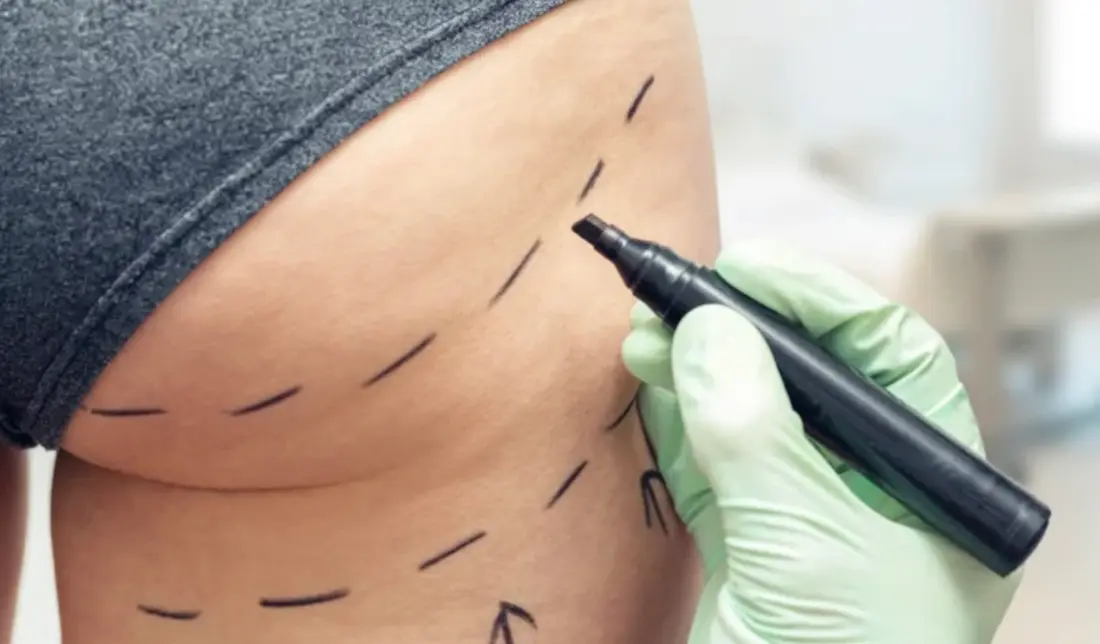
- Consultation and marking: donor and recipient areas are marked with the patient standing.
- Anaesthesia: general anaesthesia in an accredited operating theatre.
- Liposuction: fat is harvested through small incisions, with the donor areas contoured as it is removed.
- Fat processing: the fat is filtered or washed to remove blood and fluid.
- Fat injection: small aliquots are placed into the subcutaneous layer using blunt cannulas, in multiple planes and directions to avoid pooling.
- Closure: incisions are closed and a compression garment is applied, taking care not to compress the buttocks.
BBL Safety, Risks and Society Guidelines
A BBL is a major operation with real risks, and I think patients are best served when this is said plainly. The most serious is fat embolism, which can occur if fat enters large veins in or beneath the gluteal muscle. Earlier reports of deaths after gluteal fat grafting led to a task force convened by the Aesthetic Surgery Education and Research Foundation (ASERF), which concluded that injecting into or below the muscle was the main avoidable factor.2 A related analysis of gluteal lipoinjection deaths reached similar conclusions about technique.3
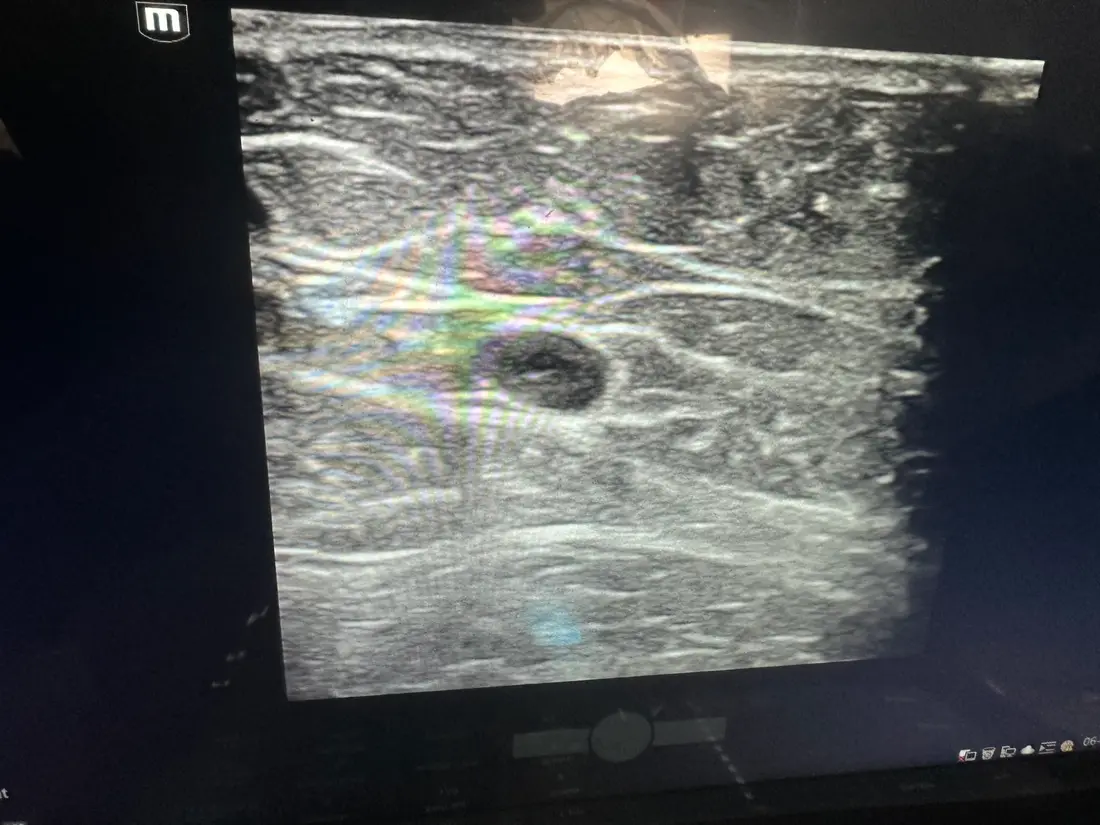
Since then, the International Society of Aesthetic Plastic Surgery (ISAPS), the American Society of Plastic Surgeons (ASPS) and other societies have advised that fat be placed only in the subcutaneous plane, that the cannula tip stays under control, and that injection avoids deep or steep angles. Some surgeons also use real-time ultrasound to confirm the plane of injection. Reported mortality has fallen since these practices were widely adopted, though it has not reached zero.
Other risks include:
- Fat necrosis, lumps, oil cysts or contour irregularity
- Infection, seroma and wound-healing problems
- Uneven results or asymmetry
- Partial loss of grafted fat over the first months
- Blood clots, particularly if mobility is limited afterwards
- Anaesthetic risks
At Dubai London Hospital, Jumeirah, the protocols I follow are built around these guidelines: subcutaneous placement only, controlled volumes and structured post-operative mobilisation and clot prevention. The same discipline applies when I operate in Bengaluru, where I see patients at my own clinic, Aesthetica Veda in Whitefield, and operate at an accredited hospital.
BBL Recovery Timeline
| Period | What to expect |
|---|---|
| First 3 days | Rest, swelling and soreness in donor and recipient areas; short walks; avoid pressure on the buttocks |
| Week 1 | Pain settling; compression garment worn; sleep on your stomach or sides; no direct sitting |
| Weeks 2–3 | Return to desk work for many patients; sitting reintroduced as advised, often with a cushion or support |
| Weeks 4–6 | Swelling continues to ease; light exercise reintroduced as cleared by your surgeon |
| Weeks 6–12 | Most bruising gone; fat settles and shape becomes clearer; gradual return to full activity |
| 3–6 months | Final shape is assessed once swelling has resolved and graft volume has stabilised |
A portion of the grafted fat is reabsorbed, so the buttocks look larger in the early weeks than they will at the final review. This is expected and is allowed for in planning.
BBL Cost and Planning for Dubai and Bengaluru Patients
Cost depends on how much fat is harvested, how many areas are treated, anaesthesia and facility fees. BBL pricing starts at INR 2 lakh in Bengaluru and AED 20,000 in Dubai. The final figure varies with the extent of liposuction and the areas planned, and an exact cost can only be given after consultation and examination.
A significant proportion of my Bengaluru patients are Indian expatriates who live in the Gulf, the UK or Australia and plan surgery around visits home. For them, planning matters as much as the operation: a pre-operative review that can be done remotely, enough time in Bengaluru for follow-up in the first weeks, and a clear plan for long-haul travel, since sitting for hours soon after surgery and flying both raise clot risk and affect the grafted area.
South Asian skin (Fitzpatrick types III to VI) is more prone to post-inflammatory hyperpigmentation and to hypertrophic or keloid scarring, so incision placement, wound care and sun protection deserve extra attention. In my experience, many South Asian patients also carry relatively more abdominal fat and less gluteal volume, which suits a BBL in principle but means donor selection and the shape of the upper pole need careful planning. Fat in the back and flanks can also be firmer and more fibrous, which affects how it is harvested.
Questions patients ask
Which areas can a Brazilian butt lift enhance?
A Brazilian butt lift mainly enhances the buttocks, but it can also refine the hip dips, lateral hips and upper outer thighs. Donor areas such as the waist and flanks are slimmed at the same time, which sharpens the overall hourglass proportion.
Can a Brazilian butt lift fix hip dips?
Yes, a Brazilian butt lift can soften hip dips by placing small amounts of fat into the trochanteric depression. The result depends on bone structure and skin tightness, so the degree of smoothing varies between patients.
Which body areas are used as donor sites for a BBL?
Common donor areas are the abdomen, waist, flanks, lower and upper back, and thighs. The choice depends on where you carry excess fat and on what will improve your proportions most, and it is planned during your consultation.
How much of the transferred fat stays after a BBL?
A portion of grafted fat is reabsorbed in the first few months, commonly estimated at a quarter to a half. Surgeons therefore plan to place enough volume to allow for this, and the final shape is judged at three to six months.
Is a Brazilian butt lift safe?
A Brazilian butt lift carries real risks, including fat embolism, which is why society guidelines advise injecting only into the subcutaneous layer. Choosing a board-certified plastic surgeon and an accredited facility lowers risk but cannot remove it.
Can I have a BBL if I am very thin?
If you have very little body fat, there may not be enough donor fat to reach your goal. In that case, a smaller enhancement, a staged approach or gluteal implants may be discussed instead.
References
- Mendieta CG. Gluteoplasty. Aesthet Surg J. 2003;23(6):441–55. doi.org/10.1016/j.asj.2003.09.008
- Mofid MM, Teitelbaum S, Suissa D, Ramirez-Montañana A, Astarita DC, Mendieta C, et al. Report on Mortality from Gluteal Fat Grafting: Recommendations from the ASERF Task Force. Aesthet Surg J. 2017;37(7):796–806. doi.org/10.1093/asj/sjx004
- Cárdenas-Camarena L, Bayter JE, Aguirre-Serrano H, Cuenca-Pardo J. Deaths Caused by Gluteal Lipoinjection: What Are We Doing Wrong? Plast Reconstr Surg. 2015;136(1):58–66. doi.org/10.1097/PRS.0000000000001364
MBBS, MS (General Surgery), DNB (Plastic Surgery) · KMC DLH 2020 0000540 KTK · DHA 24430721
This article is general information for patients and does not replace a consultation. Costs mentioned were indicative when it was written — current Bangalore and Dubai ranges are on each procedure page. All surgery carries risk, and results vary between individuals.
A question about your own case? Send it with photos — Dr Sanjog replies personally.
WhatsApp